Warning: Undefined variable $url in /home/undiscov/public_html/undiscovereditaly/wp-content/plugins/twitter-facebook-google-plusone-share/tf_display.php on line 365
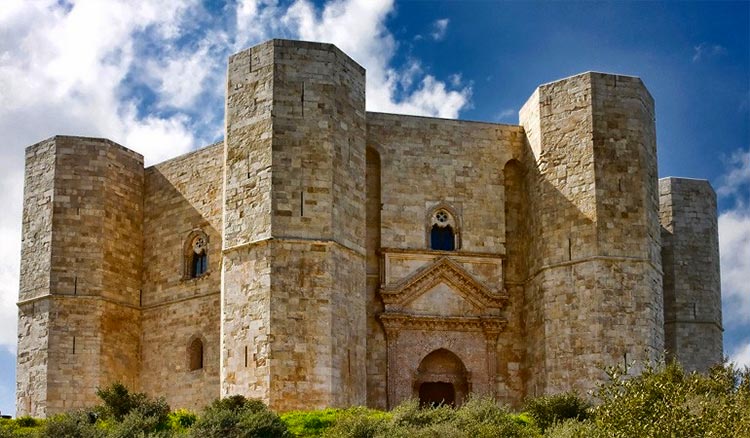
This was a tough one to call – funky and unique. Not for everyone, that’s for sure. But also something that’s off the beaten path, from a region – Puglia, and a grape – Nero di Troia, that one doesn’t typically find on the bargain shelves.
Here’s my experience with Rivera Il Falcone Castel del Monte Riserva 2008, quickly summarized: I initially tried a couple ounces at a wine tasting, and my first thought was that it was weird and wild. It featured that brambly herbal flavor some call macchia (or garrigue in France) that’s typical for this area of the world, plus tobacco, and fading cherry fruit.
But the thing about these mass tastings, where you’re drinking wine after wine that is essentially the same, is that unique really stands out. I couldn’t help but wonder if this would hold up to a full bottle, over the course of a night. Would the oddness grate on me, after a full glass or two?
For $18, I figured it was worth a shot to find out. After decanting, the wine did open some: the sour cherry fruit became fuller, and overall it was more balanced. In the end, I’m glad I went for the full bottle, and enjoyed it to the end.
Will I buy more? Dunno. It’s still somewhat odd, and doesn’t hit my particular sweet spot. Might be a good gift though, a conversation starter, or something to feature at a dinner party.
All that said, I think you should buy a bottle too. In all likelihood, you’ll have a similar experience – and maybe, just maybe, it’ll hit your sweet spot. Of course, there’s also the chance you’ll hate it. For $18, however, it’s not that much of a gamble.
This summer, I devoured the snack-sized detective novels featuring Salvo Montalbano, an irascible Sicilian inspector who always gets his man, but not before he finds time for a leisurely but surely gluttonous meal of local cuisine. I first discovered Montalbano when I was researching arancini, a Sicilian delicacy I’ve been enjoying my entire life but have only in recent years come into the mainstream. For the unfamiliar – which is hard to believe, since they’re pretty much on the menu of every trattoria remotely associated with the Mediterranean – arancini, or rice balls, are fritters of risotto, shaped in a ball (or sometimes a cone), stuffed with ragu and deep fried. Montalbano is actually given some credit – at least according to Wikipedia, which is always right, right? – for popularizing the treats outside of Italy.
When I was a kid, arancini was the first thing that made me connect to my Italian heritage through food in a powerful, almost indescribable way. I can still vividly remember an international fair we had in elementary school, where everyone was asked to share something from the cultural background. My mom and I made arancini. This was long, long before you could buy them in food trucks, remember, so it was mind-blowing for me to observe the reaction of both kids and adults as they first experienced them. Utter astonishment and joy. Everyone coming up to me, unprompted, wanting, needing to tell me how great they were. I was a shy kid, an introvert, so this was a big deal, to find a way to connect with so many people, through food, through history and culture.
Funnily enough, my mom’s maiden name does not end in a vowel. But she’s the gourmet, the cook, the one who taught me in the kitchen, so when she learned to cook arancini from her new husband’s Italian mother, she realized that using Uncle Ben’s rice with some egg to make it stick didn’t seem right. It was resourceful, these Italians in Brooklyn, not having access to arborio rice, but she set out to find the right way to do it. (Before the internet.) I wish I could tell you that the Madaio family recipe for arancini is some age-old one passed down from generation to generation, in the oral tradition, but you want to use real risotto, don’t you? So here’s the way my mom taught me.
There’s one book of Montalbano short stories called Gli Arancini di Montalbano, which is in a way a play on words, because arancini (which in a literal translation means “little oranges”) themselves are often snacks or appetizers, so it’s clever for author Andrea Camilleri to call the book of stories “arancini”. On the other hand, there is an actual story called “Gli Arancini di Montalbano” in which – from what I understand, because it’s not actually translated into English – our lovable inspector attempts to get out of a romantic New Year’s Eve getaway to Paris with his girlfriend in order to attend dinner at his housekeeper’s house, where she is serving her special arancini. This, in a tight little bow, sums up Montalbano’s ethos.
In addition to following the fictional machinations of La Cosa Nostra, I’ve been drinking quite a bit of Sicilian wine lately, especially as I lazily enjoy the latest of Montalbano’s antics and dream of an island getaway. Once plagued as a warm climate optimal for churning out bulk wine for the masses (in a way, Italy’s answer to France’s Languedoc), more recently Sicily has begun to emerge as a serious wine region, with the elegant, volcanic wines of Etna drawing comparison to Burgundy and the friendly Nero D’Avola establishing itself as a flagship grape.
One of the fascinating things about the island is that, like Italy as a whole, Sicily cannot be defined by one grape or one wine style. Though Nero certainly is the most widely planted dry variety, one must also consider the aforementioned Etnas, the light, friendly Frappato, a wide variety of indigenous whites including Grillo, an increasing amount of international grapes, and of course Marsala. A detailed study of these micro-regions, however, will have to be saved for another time. (Fear not, terroir-geeks, as we’ll be dispatching a correspondent in the not-too-distant future.)
As for now, I give you instead my little notes, a.k.a. Gli Arancini di Madaio. Pair any or all with arancini.
Whites
Tasca D’Almerita Regaleali Bianco 2011 ($12.99)
A nice, easygoing white that features just a touch of sweetness up front to counterbalance the bitter citrus and minerality of the finish. Easy to keep sipping, so perhaps good that it is 12%. Perfect for antipasto.
Firriato Quater Bianco 2011 ($11.99)
A blend of four indigenous grapes, this is easily one of the oddest white wines I have ever tasted. Initially, the nose is so insanely funky, laced with burning rubber, smoke, tar and even dish soap, it could easily pass for a red (and might even rate higher as such). There’s fruit there too, but it’s tough to find. The palate is austere, with some tropical fruit, and a crisp finish. After a day of air, the funky nose blew off, and some fruit (peach?) emerged on the nose, but the palate held its austerity, leaving me wondering how Wine Advocate could have possibly come with the description “truly beautiful”. Though this is certainly not for everyone, those into unique and different discoveries may want to give it a try.
Reds
Mazzei Zisola 2011($14.99) A pure, clean and beautiful expression of the Nero grape, Zisola has become a yearly go-to. The nose features lovely floral notes of violet and plum fruit, as well as a fresh note that might even be described as swimming pool. On the palate, dark cherries mingle with plums, and a touch of tobacco integrates with chocolate on the long finish. I recently tried a 2008 bottling of the Zisola, as well as the winery’s Doppiozeta 2008, a mix of Nero, Syrah and Cab Franc, and though both were still enjoyable, I found myself missing the explosive freshness offered by the younger wine in both cases. In other words, drink up!
Tasca D’Almerita Nero d’Avola Lamuri 2011 ($15.99) Another versatile, friendly version of Nero that will marry well with a variety of foods, especially barbecue, kabobs and burgers. For best results, give this baby at least 90 minutes in the decanter, which will bring out much more complexity on both the aroma, including tar and tobacco, and the fresh, welcoming palate, which features cherry, anise, cola and of course cocoa (in this case tootsie roll). Excellent QPR.
Firriato Altavilla Red 2011 ($11.99) A mix of Nero and Cabernet, this wine features a surprisingly soft mouthfeel for its age, but still offers vitality on the finish. A touch of smoke on the nose mingles with green pepper, while the palate features berries, spice, violets and chocolate. This offers plenty of value and pairs nicely with casual Italian fare.
Firriato Santagostino Rosso 2011 ($15.99)
My favorite of the three Firriato wines I tried – a lovely blend of Nero and Syrah that’s mostly modern in style but isn’t afraid to hint at its rustic, gamy side, especially on the nose. On the palate, the dance of modern-meets-rustic continues – though it is mostly red fruits and warm spices, just a touch of tar slips in. It’s sweet but tart, with good balance of acid and tannin.
Tenuta Delle Terre Nere Enta Rosso 2012 ($20.99) TdTN is an up and coming Etna estate, quickly expanding availability in the US. The entry level Etna Rosso is subtle and elegant, but shows considerable nuance when given the chance. After some time in the decanter (2 hours), the nose offers hints of earth, tobacco, and violet. The palate is light in flavor, but smooth, featuring floral notes, purple fruit and anise. It is not a wine that will knock your socks off, but is an excellent red for lighter foods.
This estate offers several single vineyard Cru wines as well (including Calderara Sottana, Feudo di Mezzo, Santo Spirito, $39.99 each), which should excite collectors, especially those with a taste for Pinot Noir and a distaste for Burgundy prices. (This is not Pinot, but it has similar characteristics.) These wines are drinkable now with a 2+ hour decant (and some hearty food), showing more dark cherry & balsamic concentration, furry tannins and power than the entry-level Etna, but are better suited for careful storage for at least 5 years, and will provide enjoyment for 15-20.
Arianna Occhipinti SP68 Rosso 2012 ($33.09)
Blend of the lighter Frappato and Nero D’Avola (similar to Cerasuolo di Vittoria). In a way it is a shame that wine writer Robert Camuto, in his excellent book Palmiento, as well as in articles for La Cucina Italiana, Wine Spectator and others, has done such an amazing job painting a portrait of Sicilian winemaker Arianna Occhipinti and her wines as engaging, interesting and complex. Because here in the US, at my home, while his stories have consistently dazzled, her wines have seemed pedestrian in comparison. There is nothing wrong with this one in particular; it’s just simple. Bright and fresh, but simple. Were it a $10 or $12 bottle, I might say grab a case and break it out every Friday with pizza, but at $25 or more, it is difficult to recommend. (In classic PA LCB fashion — the government run liquor board of my home state — this is listed as ‘Special 1968’ in the system, when in fact the wine is named SP68 after the road that runs past the vineyard.)
I discovered the majesty of spaghetti alla carbonara much later than I should have, sadly, because I was under the impression, for many years, that it should include cream. Romans, I eventually and thankfully learned, would never dream of adding cream to an already rich, hearty dish such as this. (Come to think of it, why on earth would anyone?)
Finding the real carbonara, then, sans cream, peas, and any other junk Americans have tried to adulterate it with over the years, reminded me of how amazingly complex and delicious simple, well-prepared food can be. Not including the water, salt & pepper, it only requires four ingredients: pasta, eggs, cheese and pork. Individually, humble, but together, grand. A peasant dish, for sure, but as a whole, something far greater than its parts. Something that can deliver one of the truly sublime bites of one’s lifetime.
I still remember my first taste of transcendent carbonara. It was in a tiny apartment in Rome, an appropriately meager, yet timeless setting. I’ll never forget how the dish came together perfectly, how the first bite coated my tongue. The rich, luscious sauce. The silky fat. The salty, crunchy pork. The punchy peppercorn. How each element contributed to something above itself, how the moment froze, an enduring taste in the eternal city.
I’m a guanciale man when it comes to Roman pasta. That’s cured pork jowl, for the unfamiliar, which is arguably the most traditional choice used in both this and pasta all’Amatriciana (pancetta can also be used). Although bacon is easier to find, neither of these Italian salumi is smoked, so there’s a different flavor profile. Guanciale is also much fattier, giving it a richer, deeper essence. And even if one might learn to prefer a smoky flavor with their eggs in carbonara, for me there’s something to be said for knowing where a dish comes from before messing with it.
(If you’re interested in how I make carbonara, view my recipe here. Otherwise read on.)
Wine Pairings
When it comes to pairing wine with Carbonara, there’s rarely consensus. On one hand, an egg-based sauce might suggest aromatic and white. On the other, pork fat. It’s tricky for sure. Before writing this, I did a lot of online research and found suggestions all over the spectrum (even more so than usual), people enthusiastically and determinedly recommending everything from Prosecco to northern Italian whites, southern Italian reds and everything in between. One person even suggested a well-aged Barolo.
So I took to Twitter, asking some of our food & wine expert friends to see what they’d have to say on the matter. As expected, the disagreement persisted.
Catherine Fanelli (@CatFanelli), sommelier at the Moorestown, New Jersey outpost of Mark Vetri’s Osteria, initially suggested an elegant Pinot Grigio to match the creamy sauce. Moore Brothers’ Susan Crawshaw (@susancrawshaw) also leaned white, nodding towards the regionally appropriate Frascati, before admitting to having recently enjoyed a Chiaretto – a Rosato from Northeast Italy – with the dish. (And perhaps Rose is the great equalizer here – especially one with some tannic bite – that’ll bridge the gap between the eggs and salty, rich meat.)
On the red team, Caroline Matys (@Caroomat), sommelier at Pittsburgh’s Legume Bistro, made the savvy recommendation of a Chianti Classico from the area of Greve, specifically noting that the Greve soil produces elegant reds that won’t overpower the dish. Fanelli echoed this sentiment, suggesting that an appropriate red would be light-to-medium bodied with high acid.
Joe Cicala (@Joe_Cicala), chef at Philadelphia’s Le Virtu, on the other hand, pointed out that the dish is particularly high in fat, and thus could benefit from a wine that is high in tannin. In particular, he called out Cesanese del Piglio, an indigenous red to Lazio (Rome’s region), bringing up the famous phrase “if it grows together, it goes together”.
This would be a good time to mention, however, that carbonara’s history is quite the mystery. Where did it come from? Is it really Roman? Nobody knows for sure. One urban legend suggests it is a relatively new dish, a product of American GIs bringing eggs and bacon to the area during World War II – though this story is generally dismissed by most food historians. I won’t go into all the other theories here (there are plenty online), but there are those that suggest carbonara might actually hail from Abruzzo or Campania. Wherever its true origins lie, if it isn’t Roman, can we even invoke grows together/goes together? It certainly becomes a trickier sell than say, pici & wild boar with something Tuscan.
Not to mention that we haven’t definitively answered the red / white question. Personally I’ve always been a red man, perhaps because on that aforementioned Roman evening, we drank cheap Montepulciano d’Abruzzo, ubiquitous punch that neither inspired nor marred the dish; in many ways its peasant ways an appropriate mate (which would jive with the Abruzzo myths). In the days since, I’ve leaned on medium-bodied, high-acid reds like Sangiovese and Barbera, food-friendly bedfellows that never do poorly when coupled with pork or aged pecorino (and let’s not forget how much cheese there actually is in this sauce.) But I don’t think I’ve ever tried it with a white.
Well, for you, dear readers, I, dedicated scribe, have decided to sacrifice myself. If someone must eat carbonara and drink wine, I suppose I will take the proverbial bullet. To procure guanciale and super-fresh farm eggs, I emailed my friends over at Wyebrook Farm in Chester County, PA. They are a sustainable, 100% grassfed farm that raises all their own pigs, chickens and cows, and cures their own salumi on site. (If I must force myself through this draconian trial, only the best will do.) If you have the means, I highly suggest checking them out.
I pulled out La Scolca Gavi Oro 2013, a crisp, aromatic white from the Piedmont, which seemed to fit the bill and also happened to have recently come out on Chairman’s Selection at the time of this writing. I also had a bottle of Corte dei Papi Cesanese del Piglio Colle Ticchio 2011 that I picked up during this summer’s PLCB wine club closeout sale that I was especially interested in trying with carbonara due to the aforementioned grows together/goes together discussion.
The Gavi was lovely, floral on the nose, heavily perfumed, with fruity notes of apricot and peach on the palate, and plenty of acidity on the finish, but was not at all a match for the dish. Though the concept of a crisp white to clean away heavy, rich flavors certainly makes sense – similar to how an off-dry Riesling goes so well with spicy Asian fare – this style of white wine simply does not have the stuffing to stand up to carbonara. The Gavi, of course, was just one wine, but it is clear that any white attempting to take on this challenge would require much more power – maybe a big-bodied wine from Southern Italy – or some other factor like sweetness or bubbles.
The red, however, was an excellent match. Smoky, earthy qualities played nicely off the guanciale and cheese and the tannins stood up to the fat. This particular Cesanese was loaded with bretty barnyard on the nose – as stinky a wine as I’ve ever tasted, which I loved, but is certainly not for everyone – that added to the rustic charm. With a good dose of air, the aroma resolved to more of a scorched earth vibe, and a sweet cherry note took over the palate. If anything, the rich fruits and assertive tannins may have been slightly heavy, but it was still a solid pairing.
My exploration, of course, is limited by my own willpower and GI tract capabilities, but I assure you it will continue… just as soon as I recover from the last one.
What do you pair with carbonara? What has worked, and what hasn’t?
One of the distinct appeals of wine geekery is its ability to branch out to other disciplines. We’re not limited to what’s in the glass – this can also be about history, geography, travel, people, culture. So much can be gleaned about the world, all from a single bottle, all without leaving the table. It’s magical stuff.
This magic, of course, can’t be found in just any bottle on any shelf. It won’t be found in Pink Moscato, that’s for sure. It might not even be found in Chianti or Medoc. Not that Tuscany and Bordeaux aren’t charming – that goes without saying – but these regions are also well-trod, especially by wine lovers. Finding the road less traveled, on the other hand, sends a tingle of excitement up the spine, and, if we’re being honest, can stimulate the taste buds unlike the tried and true.
What we have here, then, with the Conti Sertoli Salis Valtellina Superiore Grumello 2009, a “Chairman’s Selection” in Pennsylvania, offered at the tantalizing price of $12.99, is that coveted opportunity to stimulate both the buds and the brain. Let’s go exploring, shall we?
Often overshadowed by capital city Milan, the Lombardy region lies in North-Central Italy, between Piedmont to the west and Veneto to the east. It is not known, at least worldwide, for winemaking. But that doesn’t mean it lacks tradition or quality – in fact, production dates back to early Greek settlements on the Po River. And more recently, Franciacorta has become perhaps Italy’s finest producer of sparkling wine.
At the region’s northernmost tip, abutting the Swiss border, lies remote Valtellina. This type of wine country is, for me, the most fascinating to investigate. Like Alto Adige or Valle D’Aosta, the natural perch of these hamlets, the way they’re carved into treacherously steep mountainsides, separated not only from the rest of Italy, but the entire world, by nature itself, makes them stand out. Though culture is influenced by both Italians to the South, and, in this case, Switzerland’s Germanic heritage to the North, their innate isolation imparts its very own rugged identity to people, place, and, of course, wine.
There is no mechanical farming here; the steep, rocky slopes, ensure that. It’s said their sight alone is enough to make one’s knees buckle, and dangerous landslides are not out of the question. Though it is a sub-alpine climate – St. Moritz is closer than Milan, meaning wines with low concentration and bristling acidity are the norm – there’s also intense sunlight, so much so that agave and prickly pear have been known to mingle among vines.
The main red grape here is Nebbiolo. That’s right, the very same noble variety of the Piedmont, of King Barolo and Queen Barbaresco. How it came to be in these far reaches is unclear, but it thrives just the same, albeit differently. The dried roses, tar and cherry fruit, tannin and acidity are all still there, but it’s a more feminine, nervous package.
For Valtellina Superiore, the DOCG, of which this wine is, 90% Nebbiolo, referred to locally as Chiavennasca, is required (versus 80% in the DOC), with the rest either other local grapes such as Rossola and Brugnola or internationals like Merlot and Pinot Nero (Noir). Within Superiore, the finest wines are thought to come from four identified vineyards, sometimes referred to, unofficially, as the Grand Crus of Valtellina: Grumello (from where this wine hails), Sassella, Inferno and Valgella. Grumello’s vineyards are the least steep of the four, with more actual soil, so these wines tend to deliver the most approachable, fruit-forward flavor.
This particular Grumello is reticent at first, tight on the nose, the type of wine that absent-minded sippers will discount without a second thought as uninteresting. Patient, careful observers, however, will be rewarded with complexity and beauty. It starts out fruity, showing red apples (almost Riesling-like for a moment!), plums, sweet & sour cherry and orange peel. With air, it becomes more savory, with tobacco, Asian spice, dust & dirt, smoke, earth and mushrooms. In other words, there’s quite a bit going on here.
This could work well as a warm-weather red for immediate drinking (as with most Nebbiolo, give it some air). Though the sneaky tannins shouldn’t be overlooked, they’ll actually play nicely against grilled meats, while the bright, tangy fruit will keep things lively without bogging down the palate. That said, this’ll also lay down for another 3-5 years. Either way, food is a requirement for maximum enjoyment.
For Barolo and Barbaresco lovers who haven’t tried this version of the fog-friendly grape, this is an absolute must. Let’s be clear though – it’s not going to stand up to the greats of Piedmont. It’s merely another face of Nebbiolo that should be experienced, especially at this price.
For those yet to encounter the enigma that is Nebbiolo, perhaps price or cellar time has been a barrier. Now’s your chance. Should it be the wine you judge all varietal wines by? Absolutely not. It does, however, give a glimpse into what the grape has to offer – an elegance which belies hidden power and depth.
Happy travels.
#ItalianFWT
This post was featured in the #ItalianFWT group’s February 2017 topic: Nebbiolo Beyond the Bs. Here are links to the other featured posts:
It was nearing the end of an exhausting afternoon at VinItaly & Slow Wine USA, the annual NYC spinoff of Italy’s legendarily massive flagship wine festival, and my cushy train seat and a voyage home beckoned. My palate and mind were weary, fatigued by too many tastes, despite having only made a dent in the full program. With taste buds reeling from the massive tannin wall of some too-young Barolo poured straight from the bottle, I searched for a better finale.
Meandering towards the exit, I spotted Stefano Almondo, a winemaker’s son whose scruffy charm was accentuated by his dirty blonde beard. More importantly, the bottle of Arneis perched in front of him. “Hit me with some of that,” I pleaded. He poured. A wave of crystalline cleanliness washed over my tongue, bright and alive. My buds awoke, restored and renewed. “Phew!” I sighed. “That really hit the spot.” Almondo’s smile emerged slowly, growing into an ear-to-ear number that emphasized his wine’s personality. He then uttered, in a thickly-accented Italian brogue, one single word that I’ll always remember: “Frrr-eshness.”
Though the detailed history of Arneis is disputed, most historians accept evidence of it from the 15th century in Piedmont. The grape was originally utilized as blending foil to the tannic beast Nebbiolo, so much so that it has occasionally been dubbed “white Barolo.” Rumors suggest it may have been planted alongside Nebbiolo vines because its sweet scent would attract snack-seeking birds, who in turn would forgo the more valuable red grapes. As production of 100% Nebbiolo wines became more fashionable, however, Arneis flirted with extinction, saved only by the perseverance of producers Bruno Giacosa and Vietti. Fortunately, the 1980s brought a renewed interest in whites from the region, leading to the more common vinification of Arneis as a varietal wine.
Literally the “little rascal”, Arneis is a tricky grape to grow due to naturally low acidity when fully ripe. As such, it fares best in cooler climates where maturation takes place over a longer period of time, allowing for wines that showcase both the telltale lush fruit as well as a crisp finish.
A finely-crafted Arneis may be the perfect bianco for red lovers, offering rich aromatics and explosive fruit, as refreshing as those bland, ubiquitous Italian whites without sacrificing taste. Because it can pack in the flavor, I like pairing Arneis with mid-weight foods, such as heartier chicken or fish dishes, and (not too spicy) Asian cuisine.
Tasting through a few bottles recently, I consistently encountered fruit flavors of pear and peach (of varying intensity levels), often augmented by fresh flowers and almonds. All were enjoyable, and any would would serve as a good introduction to the grape. My notes follow:
Monchiero Carbone ReCit Roero Arnies ($13.99)
Ripe, fruity notes leap from the glass, and continue to reign on the expressive palate. Though I typically think people serve whites too cold, this perks up with a chill; I’d store in the fridge and let it warm while serving. PLCB Chairman’s Selection buyer Steve Pollack called this the “perfect summer wine,” which is hard to dispute, especially considering the 12.5% ABV and delicious profile. Goes great with Chinese takeout.
Demarie Arneis Langhe DOC 2012 ($16.99)
Floral nose hints at melon. Palate fruits are moderated by herbs, saline and a sturdy dose of almond. Easygoing warm-weather wine to pair with oil-based pastas.
Ceretto Blange Roero Arneis 2010 ($22.99)
Nose displays herbal, resinous qualities. Typical Arnies fruits in a lighter, more elegant package lead to hints of toffee on the crisp finish. A lovely companion for al fresco happy hours or antipasto.
Bruno Giacosa Roero Arneis 2012 ($31.99)
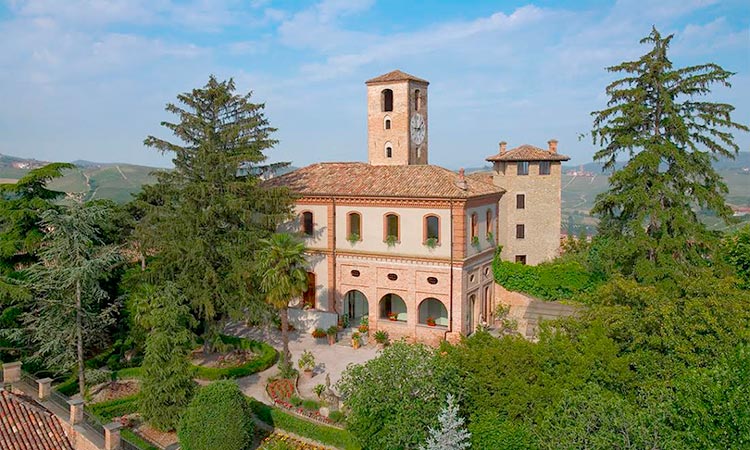
One of the grape’s saviors proves worthy. Tight nose reveals herbs and honeysuckle to careful observers. There’s even a hint of mushroom & smoke, almost like a red wine. On the palate, lush honey, peach and apple explode into the mid, and the long finish boasts pockets of herbs and amaretto. Both full-bodied and crisp. Try it with grilled or roasted chicken and Mediterranean herbs. Winery pictured above.
Giovanni Almondo Roero Arneis Vigna Sparse 2011 (tasted Feb 2013)
Freshness!
A comparative newcomer to the world wine scene, Umbria’s Sagrantino, a hugely tannic grape that features more polyphenols than any other vinefra, was mostly used for sweet passito wine until the 1970s. As modern winemaking technique evolved, a group of Montefalco-based winemakers began to tame this bitter and foreboding grape. Full-bodied, with an aromatic nose of herbs and earth, it features big cherry flavor and immense tannins that reward bottle aging and crave hearty food.
Not only difficult to vinify, Sagrantino is rare. Almost exclusively grown in Umbria, it’s only planted on 250 acres and produced by 25 or so wineries. As such, wines made from 100% Sagrantino, from the Sagrantino di Montefalco DOCG, have traditionally been on the more expensive side, even at the entry level. (A few years ago, it was almost impossible to find a bottle stateside under $30.)
For whatever reason, we’re starting to see more break that $20 barrier. In late 2012, the Chairman brought us Montechiara Sagrantino di Montefalco 2005, a nice example of the style at an even nicer price of $19.99. (Luis and I loaded up.) This winter, the Chairman struck again with a $17.99 bottle from Villa Mora, and the PLCB luxury buyer quickly countered with one from Terre de Trinci for $14.99.
Are these values too good to be true? The Villa Mora Sagrantino di Montefalco 2007, unfortunately, is a complete disappointment. Despite the great price, it is marred by off odors of synthetic rubber, blocking anything of interest in both the nose and palate. It’s the only Sagrantino I’ve ever tried (twice, for the record) that I did not like.
The $15 tariff on Terre de Trinci Sagrantino di Montefalco 2006 seems even more absurd, especially with the 2004 still available (in limited quantities) at $28.99. Having tried the ‘04 last winter, however, it’s clear this cooperative of small growers – whose website claims they were the first to vinify dry Sagrantino in the 1960s – can bring the goods. So why the price drop?
Who cares!?! For fifteen bucks, this is a scorching value. A very nicely made, typical Sagrantino, the nose brings classic notes of earth, anise, macchia and warm spice, with bold cherry fruit on the palate and a fiercely tannic finish. The mid-palate dips slightly, but for this price, it’s hard to complain. Go get ‘em before I do!
Drink now (decant at least 1 hour) or hold 3-5 years. Pair with winter stews or other hearty fare.
 But the thing about these mass tastings, where you’re drinking wine after wine that is essentially the same, is that unique really stands out. I couldn’t help but wonder if this would hold up to a full bottle, over the course of a night. Would the oddness grate on me, after a full glass or two?

 The Gavi was lovely, floral on the nose, heavily perfumed, with fruity notes of apricot and peach on the palate, and plenty of acidity on the finish, but was not at all a match for the dish. Though the concept of a crisp white to clean away heavy, rich flavors certainly makes sense – similar to how an off-dry Riesling goes so well with spicy Asian fare – this style of white wine simply does not have the stuffing to stand up to carbonara. The Gavi, of course, was just one wine, but it is clear that any white attempting to take on this challenge would require much more power – maybe a big-bodied wine from Southern Italy – or some other factor like sweetness or bubbles.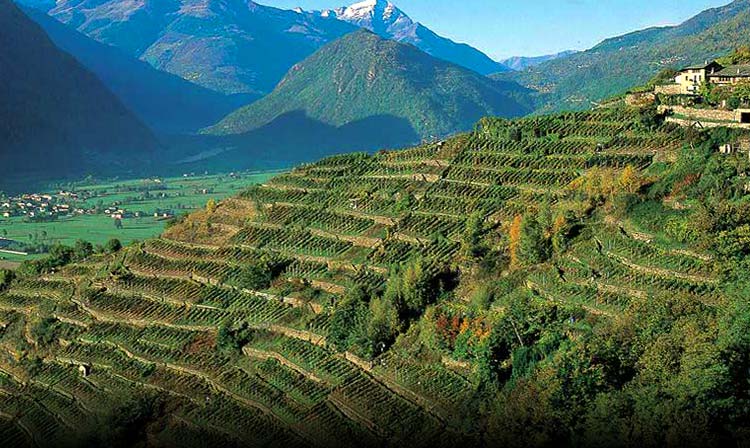

 Monchiero Carbone ReCit Roero Arnies ($13.99)