Warning: Trying to access array offset on false in /home/undiscov/public_html/undiscovereditaly/wp-content/plugins/twitter-facebook-google-plusone-share/tf_display.php on line 401

Warning: Undefined variable $url in /home/undiscov/public_html/undiscovereditaly/wp-content/plugins/twitter-facebook-google-plusone-share/tf_display.php on line 365

Complimenting Carbonara

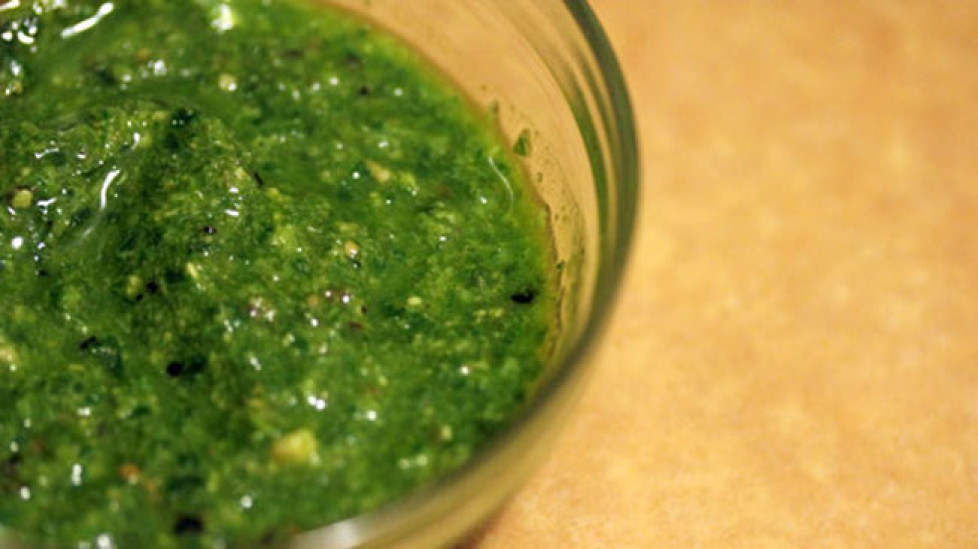
carbonara
photo by jeffreyw

I discovered the majesty of spaghetti alla carbonara much later than I should have, sadly, because I was under the impression, for many years, that it should include cream. Romans, I eventually and thankfully learned, would never dream of adding cream to an already rich, hearty dish such as this. (Come to think of it, why on earth would anyone?)

Finding the real carbonara, then, sans cream, peas, and any other junk Americans have tried to adulterate it with over the years, reminded me of how amazingly complex and delicious simple, well-prepared food can be. Not including the water, salt & pepper, it only requires four ingredients: pasta, eggs, cheese and pork. Individually, humble, but together, grand. A peasant dish, for sure, but as a whole, something far greater than its parts. Something that can deliver one of the truly sublime bites of one’s lifetime.

I still remember my first taste of transcendent carbonara. It was in a tiny apartment in Rome, an appropriately meager, yet timeless setting. I’ll never forget how the dish came together perfectly, how the first bite coated my tongue. The rich, luscious sauce. The silky fat. The salty, crunchy pork. The punchy peppercorn. How each element contributed to something above itself, how the moment froze, an enduring taste in the eternal city.

I’m a guanciale man when it comes to Roman pasta. That’s cured pork jowl, for the unfamiliar, which is arguably the most traditional choice used in both this and pasta all’Amatriciana (pancetta can also be used). Although bacon is easier to find, neither of these Italian salumi is smoked, so there’s a different flavor profile. Guanciale is also much fattier, giving it a richer, deeper essence. And even if one might learn to prefer a smoky flavor with their eggs in carbonara, for me there’s something to be said for knowing where a dish comes from before messing with it.

(If you’re interested in how I make carbonara, view my recipe here. Otherwise read on.)

Wine Pairings

When it comes to pairing wine with Carbonara, there’s rarely consensus. On one hand, an egg-based sauce might suggest aromatic and white. On the other, pork fat. It’s tricky for sure. Before writing this, I did a lot of online research and found suggestions all over the spectrum (even more so than usual), people enthusiastically and determinedly recommending everything from Prosecco to northern Italian whites, southern Italian reds and everything in between. One person even suggested a well-aged Barolo.

So I took to Twitter, asking some of our food & wine expert friends to see what they’d have to say on the matter. As expected, the disagreement persisted.

Catherine Fanelli (@CatFanelli), sommelier at the Moorestown, New Jersey outpost of Mark Vetri’s Osteria, initially suggested an elegant Pinot Grigio to match the creamy sauce. Moore Brothers’ Susan Crawshaw (@susancrawshaw) also leaned white, nodding towards the regionally appropriate Frascati, before admitting to having recently enjoyed a Chiaretto – a Rosato from Northeast Italy – with the dish. (And perhaps Rose is the great equalizer here – especially one with some tannic bite – that’ll bridge the gap between the eggs and salty, rich meat.)

On the red team, Caroline Matys (@Caroomat), sommelier at Pittsburgh’s Legume Bistro, made the savvy recommendation of a Chianti Classico from the area of Greve, specifically noting that the Greve soil produces elegant reds that won’t overpower the dish. Fanelli echoed this sentiment, suggesting that an appropriate red would be light-to-medium bodied with high acid.

Joe Cicala (@Joe_Cicala), chef at Philadelphia’s Le Virtu, on the other hand, pointed out that the dish is particularly high in fat, and thus could benefit from a wine that is high in tannin. In particular, he called out Cesanese del Piglio, an indigenous red to Lazio (Rome’s region), bringing up the famous phrase “if it grows together, it goes together”.

This would be a good time to mention, however, that carbonara’s history is quite the mystery. Where did it come from? Is it really Roman? Nobody knows for sure. One urban legend suggests it is a relatively new dish, a product of American GIs bringing eggs and bacon to the area during World War II – though this story is generally dismissed by most food historians. I won’t go into all the other theories here (there are plenty online), but there are those that suggest carbonara might actually hail from Abruzzo or Campania. Wherever its true origins lie, if it isn’t Roman, can we even invoke grows together/goes together? It certainly becomes a trickier sell than say, pici & wild boar with something Tuscan.

Not to mention that we haven’t definitively answered the red / white question. Personally I’ve always been a red man, perhaps because on that aforementioned Roman evening, we drank cheap Montepulciano d’Abruzzo, ubiquitous punch that neither inspired nor marred the dish; in many ways its peasant ways an appropriate mate (which would jive with the Abruzzo myths). In the days since, I’ve leaned on medium-bodied, high-acid reds like Sangiovese and Barbera, food-friendly bedfellows that never do poorly when coupled with pork or aged pecorino (and let’s not forget how much cheese there actually is in this sauce.) But I don’t think I’ve ever tried it with a white.

Well, for you, dear readers, I, dedicated scribe, have decided to sacrifice myself. If someone must eat carbonara and drink wine, I suppose I will take the proverbial bullet. To procure guanciale and super-fresh farm eggs, I emailed my friends over at Wyebrook Farm in Chester County, PA. They are a sustainable, 100% grassfed farm that raises all their own pigs, chickens and cows, and cures their own salumi on site. (If I must force myself through this draconian trial, only the best will do.) If you have the means, I highly suggest checking them out.

I pulled out La Scolca Gavi Oro 2013, a crisp, aromatic white from the Piedmont, which seemed to fit the bill and also happened to have recently come out on Chairman’s Selection at the time of this writing. I also had a bottle of Corte dei Papi Cesanese del Piglio Colle Ticchio 2011 that I picked up during this summer’s PLCB wine club closeout sale that I was especially interested in trying with carbonara due to the aforementioned grows together/goes together discussion.

colle-ticchio-cesanese-del-The Gavi was lovely, floral on the nose, heavily perfumed, with fruity notes of apricot and peach on the palate, and plenty of acidity on the finish, but was not at all a match for the dish. Though the concept of a crisp white to clean away heavy, rich flavors certainly makes sense – similar to how an off-dry Riesling goes so well with spicy Asian fare – this style of white wine simply does not have the stuffing to stand up to carbonara. The Gavi, of course, was just one wine, but it is clear that any white attempting to take on this challenge would require much more power – maybe a big-bodied wine from Southern Italy – or some other factor like sweetness or bubbles.

The red, however, was an excellent match. Smoky, earthy qualities played nicely off the guanciale and cheese and the tannins stood up to the fat. This particular Cesanese was loaded with bretty barnyard on the nose – as stinky a wine as I’ve ever tasted, which I loved, but is certainly not for everyone – that added to the rustic charm. With a good dose of air, the aroma resolved to more of a scorched earth vibe, and a sweet cherry note took over the palate. If anything, the rich fruits and assertive tannins may have been slightly heavy, but it was still a solid pairing.

My exploration, of course, is limited by my own willpower and GI tract capabilities, but I assure you it will continue… just as soon as I recover from the last one.

What do you pair with carbonara? What has worked, and what hasn’t?
The Freshmaker

The Freshmaker

It was nearing the end of an exhausting afternoon at VinItaly & Slow Wine USA, the annual NYC spinoff of Italy’s legendarily massive flagship wine festival, and my cushy train seat and a voyage home beckoned. My palate and mind were weary, fatigued by too many tastes, despite having only made a dent in the full program. With taste buds reeling from the massive tannin wall of some too-young Barolo poured straight from the bottle, I searched for a better finale.

Meandering towards the exit, I spotted Stefano Almondo, a winemaker’s son whose scruffy charm was accentuated by his dirty blonde beard. More importantly, the bottle of Arneis perched in front of him. “Hit me with some of that,” I pleaded. He poured. A wave of crystalline cleanliness washed over my tongue, bright and alive. My buds awoke, restored and renewed. “Phew!” I sighed. “That really hit the spot.” Almondo’s smile emerged slowly, growing into an ear-to-ear number that emphasized his wine’s personality. He then uttered, in a thickly-accented Italian brogue, one single word that I’ll always remember: “Frrr-eshness.”

Though the detailed history of Arneis is disputed, most historians accept evidence of it from the 15th century in Piedmont. The grape was originally utilized as blending foil to the tannic beast Nebbiolo, so much so that it has occasionally been dubbed “white Barolo.” Rumors suggest it may have been planted alongside Nebbiolo vines because its sweet scent would attract snack-seeking birds, who in turn would forgo the more valuable red grapes. As production of 100% Nebbiolo wines became more fashionable, however, Arneis flirted with extinction, saved only by the perseverance of producers Bruno Giacosa and Vietti. Fortunately, the 1980s brought a renewed interest in whites from the region, leading to the more common vinification of Arneis as a varietal wine.

Literally the “little rascal”, Arneis is a tricky grape to grow due to naturally low acidity when fully ripe. As such, it fares best in cooler climates where maturation takes place over a longer period of time, allowing for wines that showcase both the telltale lush fruit as well as a crisp finish.

A finely-crafted Arneis may be the perfect bianco for red lovers, offering rich aromatics and explosive fruit, as refreshing as those bland, ubiquitous Italian whites without sacrificing taste. Because it can pack in the flavor, I like pairing Arneis with mid-weight foods, such as heartier chicken or fish dishes, and (not too spicy) Asian cuisine.

Tasting through a few bottles recently, I consistently encountered fruit flavors of pear and peach (of varying intensity levels), often augmented by fresh flowers and almonds. All were enjoyable, and any would would serve as a good introduction to the grape. My notes follow:

recit-arneisMonchiero Carbone ReCit Roero Arnies ($13.99)
Ripe, fruity notes leap from the glass, and continue to reign on the expressive palate. Though I typically think people serve whites too cold, this perks up with a chill; I’d store in the fridge and let it warm while serving. PLCB Chairman’s Selection buyer Steve Pollack called this the “perfect summer wine,” which is hard to dispute, especially considering the 12.5% ABV and delicious profile. Goes great with Chinese takeout.

Demarie Arneis Langhe DOC 2012 ($16.99)
Floral nose hints at melon. Palate fruits are moderated by herbs, saline and a sturdy dose of almond. Easygoing warm-weather wine to pair with oil-based pastas.

Ceretto Blange Roero Arneis 2010 ($22.99)
Nose displays herbal, resinous qualities. Typical Arnies fruits in a lighter, more elegant package lead to hints of toffee on the crisp finish. A lovely companion for al fresco happy hours or antipasto.

Bruno Giacosa Roero Arneis 2012 ($31.99)
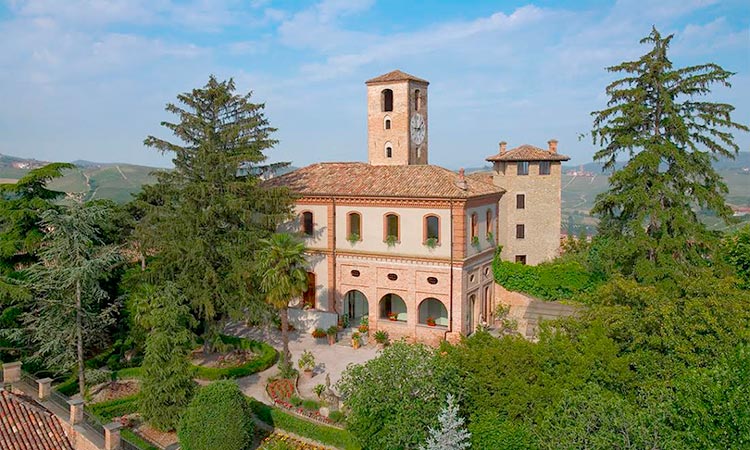
One of the grape’s saviors proves worthy. Tight nose reveals herbs and honeysuckle to careful observers. There’s even a hint of mushroom & smoke, almost like a red wine. On the palate, lush honey, peach and apple explode into the mid, and the long finish boasts pockets of herbs and amaretto. Both full-bodied and crisp. Try it with grilled or roasted chicken and Mediterranean herbs. Winery pictured above.

Giovanni Almondo Roero Arneis Vigna Sparse 2011 (tasted Feb 2013)
Freshness!

Lovely Lagrein

Lovely Lagrein

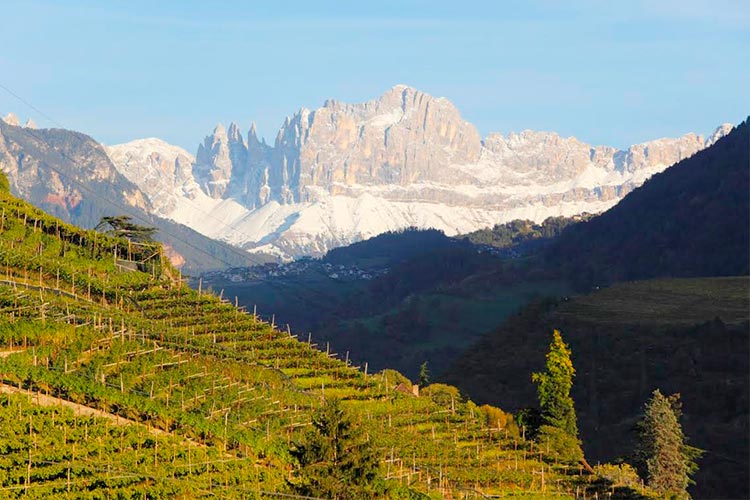
As we discussed in our piece on white wines of the Alto Adige (aka South Tyrol or Südtirol), this northernmost Italian region spent a long time within the Austro-Hungarian empire prior to WWI, and is still heavily influenced by that culture. (On wine labels, for example, German text often appears above or alongside the Italian, as many residents speak German natively.) Thus, given the opportunity to speak with Judith Unterholzner – who represents regional producers Terlano and Andriano – about wines made with Lagrein, a red grape grown almost exclusively here, my first question was whether the winemakers see it as Italian or Austrian. “Lagrein is much more Austrian than Italian in influence,” she told me. “But this is more due the impact of the mountains and the alpine microclimate than the culture.”

In other words, it’s all about terroir. Lagrein don’t care about wars, country borders, or any other man-made conflicts. It found a spot it likes, in a sometimes-unforgiving alpine climate, and it is thriving. In mountainous regions especially, there seems to be a strong bond between the climate and certain grapes, and Lagrein’s match with Alto Adige is no exception. We can come up with all sorts of other ways to describe terroir, but for me, that just about sums it up.

judith-terlano
Judith Unterholzner with Terlano Lagrein

The grape, pronounced “lah-grine” (rhymes with wine), was traditionally used for blending – with the lighter Shiava, mostly – or as a rosato, due to its rugged, bitter nature, and only found its true calling in the early 1980s. “In the decades before,” says Unterholzner, “many consumers wanted lighter, easy-drinking red wines. Then there was an upswing in demand for structured red wines, and more oak influence… Lagrein fulfilled both requests, being full of character and developing fine spicy notes with oak aging. For locals of the region, this became our first serious red wine.”

Tasting through several Lagreins recently, I discovered a refreshing typicity, especially with the non-riserva wines (those aged in large oak casks or steel). Though each wine offered something different – a few featured earthy, rustic notes, for example – there were characteristics that clearly identified every bottle as Lagrein. Aromatically, a violet, floral bouquet recalls Syrah (a cousin), but only just. (La Cucina Italiana identifies this scent as brunelle, a local name for wild orchids found in the region.) On the palate, bright plums and and blackberries lead the way, with black tea and more violet – or brunelle – notes. As it finishes, there’s an almost soapy aspect we’ll call lavender, lest you think it punishment for foul language, which it is most certainly not.

lagrein-alto-adige

Perhaps unsurprisingly, the riservas, or wines aged in small oak barrels – which can cost significantly more – tend to relinquish some of this typicity. Oak softens the floral nature of the aroma, and though spicy flavors on the palate can add intrigue, they also obstruct those special orchids & plums. Riservas are, of course, made for longer aging (10 years or so), but – and take this to heart coming from a lover of aged wine – I’m not sure, in this case, they offer more than the wines meant for everyday drinking.

Pairing-wise, Lagrein of course plays well with the foods of the region, including the legendary speck (smoked, cured ham), as well as beef or game stews. Polenta, mushrooms and root veggies are also common. I love it with fresh pork preparations too, such as grilled chops, roasted tenderloin, or stewed shoulder. Unterholzner suggests braised (in Lagrein, obviously) veal cheek on top of celery root puree.

lagrein-alto-adige

Reviewing my tasting notes, a few things are obvious:

1) Lagrein quality is consistent. Any bottle that’s 15-20 bucks, is certain to be both delicious and representative of the region and variety. In fact, I’ve yet to try one in this price range that wasn’t good, with the exception of one bottle that was cooked. (Which was hardly Lagrein’s fault!)

2) There’s less certainty with riservas. Added winemaker intervention (mainly through oak) means that these wines may represent the region well, but could also taste like modern red wines of indeterminate origin. Of course I only tried two – one of which was on the younger side for a riserva –  and though both were enjoyable, they were generally less appealing. (If anyone out there wants to prove this hypothesis wrong with a beautifully aged bottle, just tell me where and when…)

Without further ado, the notes:

Tiefenbrunner Turmhof Lagrein 2011 ($21)
Big fruit on the nose, alongside a touch of earth and smoke, as well as warm spice. Nice balance of freshness and funk. Good complexity, evolves in the glass. Rustic finish. (92 points)

Balter LagreinTramin Lagrein 2010 ($18)
My favorite nose of the bunch. Moss, forest floor, leather, fruit. Leaps out of the glass. Palate decent too, but almost a letdown after the nose. Still, quite good. (92)

Abbazia di Novacella Lagrein 2009 ($20)
Classic flavors mixed with the modern touch of sweet warm mulling spice and tobacco. Good acidity, big tannins, and intriguing complexity. (91)

Peter Zemmer Lagrein 2010 ($18)
The most typical of the group. This is the pure essence of Lagrein. Straightforward, with all the expected aromas and flavors. (91 points)

Azienda Agricola Balter Lagrein IGT 2010 ($18)
Nice balance of earth, spice and herbs to go alongside the plum and fig. Smooth. (90)

Andriano Tor di Lupo Riserva 2010 ($40)
Classic Lagrein notes are there, but made more subtle by warm spice and tobacco. Hints of earth and tar on the nose, especially with air. Big tannins, bitter on the finish. Should improve with age. (89+)

St. Paul’s Lagrein Gries 2010 ($21)
Rich, dense fruits with a discernable chocolate/cocoa element. Would benefit from air and/or little time. (88)

Terlano Lagrein Porphyr 2006 ($50)
The least Lagrein-like personality, perhaps due to overdone oak. Dark fruits, lots of warm spice, some fleeting earth. Not bad, but nothing special for the price. (87)

Pairing Pesto

Pairing Pesto

One of my absolute favorite things about summer is fresh basil from the garden. I use it widely, but mostly with fresh tomato sauce, pizza, sandwiches, and, of course, pesto. But, it’s also getting to be that time of year when I notice that my basil plants are getting a bit old and tough, and that they probably should have been harvested weeks ago. Luckily, it’s not too late. Though using young, soft leaves that are shorter than three inches at the spine is best for authentic Genovese pesto, giving older leaves a quick blanch and soak in ice water can still bring deliciousness. (If you’re in the Philly area, you might also check out my Great Pesto Challenge piece over at Small Food.)

Pairing pesto with wine can be difficult. (For clarity, we are talking about a traditional pesto of basil, garlic, pine nuts, EVOO and Parmesan.) The sauce is both pungent, with assertive flavors from the garlic and cheese, and delicate, as basil has quite a bit of nuance. Generally, whether looking for white or red wine, young, fruity, aromatic wines are far better than anything aged, overripe, oaky, or flabby. Good pesto is bright and fresh, so you want to find a wine that exhibits similar traits. Of course, another key consideration is what you are serving with the dish. A simple pasta dish dressed with pesto, for example, will probably work better with a white wine, but the addition of heartier ingredients such as sausage or tomatoes make red a viable option.

argiolas-costamolinoAs is the case for most Italian food, the safest bet with any pairing is to follow the rule “if it grows together, it goes together”. Genoa, pesto’s homeland, is in Liguria, a small region on the Mediterranean coast just northwest of Tuscany. The indigenous white grape here is Vermentino, which makes lovely wines that offer rich flavors of tropical fruit but also bring great acidity, matching the dual personality of its sister sauce. Ligurian Vermentino is not exactly easy to come by in our area, but Sardinia’s Argiolas makes an excellent option – Costamolino ($14.99) – which is widely available and delicious for the price. Of course, other aromatic northern Italian whites can also work well, including Ligurian Pigato and Bianchetto Genovese, plus Arneis, Gavi and Soave.

On the red side, we can look to the simple red wines of neighboring regions Tuscany and Piedmont for good pesto partners. Think a young, inexpensive Chianti or Barbera that is bright and fruity, with perhaps a touch of earth.

If Italian wine is not your thing, we can use the same principles to pair international varieties to the sauce. Chardonnay’s tendency to be oaky and buttery, for example, means it is probably worth avoiding, unless you know you are getting an acidic, un-oaked version. Sauvignon Blanc, on the other hand, has that bright, herbal character that could work here. Southbank Estate Sauvignon Blanc Marlborough, for example, features a strong citrus note that could bring out the best of the pungent sauce. Vibrant whites from Northwest Spain, such as Albarino and Godello, are also worthy of consideration. The Martin Codax Albarino ($14.99), which is widely available, has a touch of oak for softness (as the grape can be very austere), but enough acidity to cut through any richness.

New world red wines can be difficult because of their tendency to be ripe, concentrated and oaky, all of which would clash with pesto’s soul. Looking to France, however, could yield dividends, especially young, fresh Pinot Noir, Cru Beaujolais (try a Henry Fessy), or Loire Cab Franc (maybe even one from Long Island), all of which bring great acidity and herbal character. In California, a cool-climate Zinfandel or Pinot Noir with similar characteristics could pair nicely, especially if some meat is involved.

Lastly, let’s not forget about Rose. It goes with everything, especially over the summer. Not much more to say there.

What have you paired with pesto? What worked and what didn’t? Comment below.

Alto Adige Ascension

abbazia-di-novacella

The Geography geek in me gets excited whenever we talk about Northeastern Italy, an area rife with annexations, takeovers and other conflicts of land ownership. The region – especially Trentino & Alto Adige, also known as South Tyrol – is one of the areas of Europe that has been passed back and forth so many times that languages and culture are permanently blurred. Much like Alsatian France is distinctly German, this area of Italy takes the lead from Austrian culture, as it was part of the Hapsburg Empire through World War I. In fact, so entrenched is the German language that it often takes prominence over the Italian on wine labels.

That said – as Frank is fond of saying – there really is no such thing as “Italian Wine”, because there is so much variation in both climate and culture as you move around the boot. Still, Italian white wine often fights the stigma that it all tastes the same, and doesn’t taste very good. Northeastern Italy is certainly to blame for that, with much bulk, inert Pinot Grigio coming out of the Veneto region, but that’s still only one perspective.

In Alto Adige, for example, although Pinot Grigio is widely grown and vinified, there’s a more serious focus on creating quality cool-climate white wines. Though many can be light and crisp due to the southern alpine growing conditions, there’s variety and quality here that is worth getting to know.

Recently I had the chance to drink through a number of wines from Abbazia di Novacella, a 12th century Augustinian abbey located less than 30 miles from the Austrian border in Alto Adige. The abbey – which, interestingly, is listed on Google maps as “Kloster Neustift”, the German name – has been crafting wine for more than 850 years, but has more recently garnered acclaim via their very own 2009 Italian winemaker of the year Celestino Lucin.

As the whites that I tried were vinified in stainless steel, there was a unity in style with regards to intense aromas and mouth-watering acidity of the cool climate grape, however they did also offer some noticeable variations in style.

The Muller Thurgau (SLO in PA, Code 71089, $20.69, minimum 12), for example, is probably lightest, with a bright, citrusy flavor and easy-going personality that screams summertime white. In contrast, the Gewurztraminer (only the 1996, strangely, is available in PA, SLO 59249, $16.49, min 12) is full-bodied, with lush notes of tropical fruits and Asian spice, perfect for Fall.

Novacella’s  Sauvignon (not available in PA) offers that austere, grassy note that Sauvignon Blanc is known for on the nose, but is nicely ripe and juicy on the palate. If the cat pee of Sauv Blanc turns you off, this will be no different, but it’s a very nicely done old-world style SB for those who appreciate the mouthwatering properties.

Lastly was the Kerner (SLO Code 527816, $19.99, min 1) a hybrid grape from Riesling and Shiava that drinks like a dry riesling – great aroma, bright acidity, and perhaps just a touch of sweetness on the palate.

In the end, each wine offered something different, yet all were mouthwatering and delicious, and I’d highly recommend picking up wines from AdN or others in the Alto Adige region if and when you come across them.

There are a few Abbazia di Novacella wines in PA stores, though your best bet may be the SLO (Special Liquor Order) program, with codes noted above. Wine Works in Marlton, NJ (just past Cherry Hill), Wine Library in Springfield, NJ (delivers to PA) and Wine.com (delivers to PA) also carry AbN wines.

Full disclaimer: Review samples of these wines were provided.

Vistorta Vertical

Vistorta Vertical

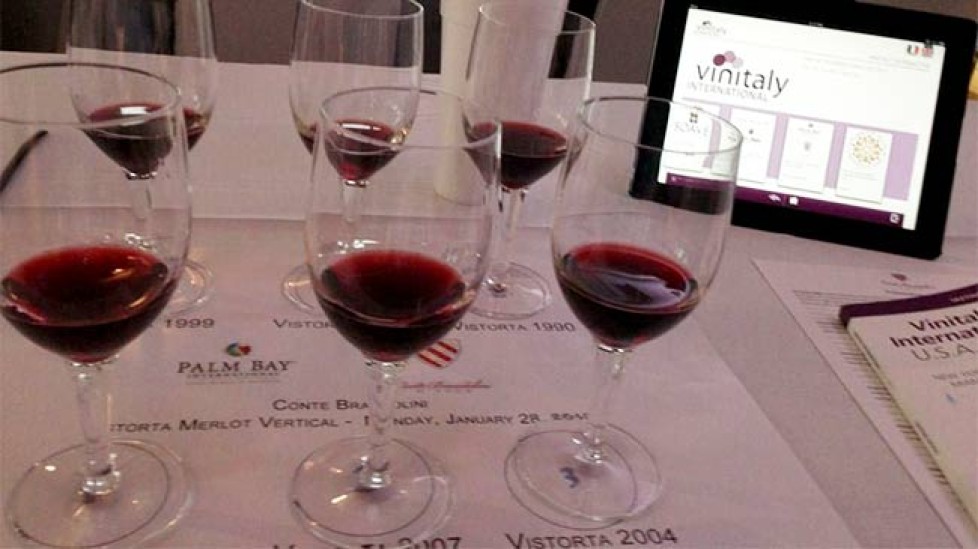
While attending the VinItaly trade show in NYC recently, I had the unique opportunity to attend a “Master Tasting” featuring Conte Brandolini (yes, an actual Count, as well as a winemaker) and 6 vintages of his Vistorta Merlot. It included the current release – 2009, the first release – 1990, and 4 in between: 2007, 2004, 1999 and 1997. Despite Brandolini’s comment that “it’s impossible to really get to know a wine without tasting at least 4 or 5 vintages,” most of us don’t often get the opportunity to compare vintages of any wine side by side, so my expectations were heightened.

Though vertical tastings can go older to younger (increasing in tannin and intensity as the tasting progresses), most go younger to older, as complexity and nuance typically increases with bottle age. True to form, the 2009 Vistorta was tight and tannic, drinkable but seemingly not ready to show its best stuff. As the age increased, the Merlot showed more savory notes, including herbs (especially when a small percentage of Cab Franc was present), stinky cheese, sweat, and tobacco.

All of the Vistorta Merlots are an exercise in elegance and restraint, making it difficult to believe that they’re made from the same grape as their California brethren. Brandolini’s estate is in Fruili, the most northeasterly province in Italy, just north of Venice and west of the Slovenian border, so cool weather abounds. The Count also believes strongly in the importance of balance in wine, keeping the alcohol low so that the wine remains versatile with food. This is not a surprising opinion coming from an Italian, of course, despite the fact that it might make the wine less marketable internationally.

brandolini vistorta merlot

During the tasting, a guy sitting next to me asked me if I knew the price of the wines. Not sure, I whipped out my phone and started researching. “List price in the upper 20s,” I told him. “It’s good, but not great,” he replied. “Not sure I’d pay that.”

“Right now in PA, though, the 2006 Vistorta Merlot is on sale for $11.99,” I mentioned. “I’d definitely pay $12,” he responded with surprised enthusiasm.

I would too. I did, in fact. Available in very limited quantities, I scored a bottle at a nearby state store. Though obviously not tasted alongside the others, the 2006 slotted into my memory alongside the other vintages as I would have expected. It was elegant, featured bright acidity, lovely dark fruits, and subtle notes of earth and tobacco. And forget the traditional Merlot food pairings; this plays more like a Loire Cab Franc or Burgundy Pinot Noir (try it with roast chicken). Having tasted through much of the portfolio, it seems highly likely that it’ll age well for 5-10 more years – how often does one say that about $12 wine? – though it is certainly nice to drink right now.